Jeannine Belleguic: What the Public Record Actually Says
Type the name Jeannine Belleguic into a search engine and you will find something odd: page after page of confident biography about a woman who, by every reliable record, lived a quiet and entirely private life. She was not a celebrity, not a public figure, and not the author of any public work. She was a woman from a small town in Brittany, France, who lived to 93, raised a family, and was mourned by that family in the spring of 2025. The reason her name is searched at all is a short family death notice — and what happened to that notice after it was published online.
This article sets out what the public record actually says about her, separates that from what was invented afterwards, and explains how a reader can tell the two apart. Out of respect for her family, it does not name her children or grandchildren, and it does not guess at the parts of her life that no record describes.
Who Was Jeannine Belleguic?
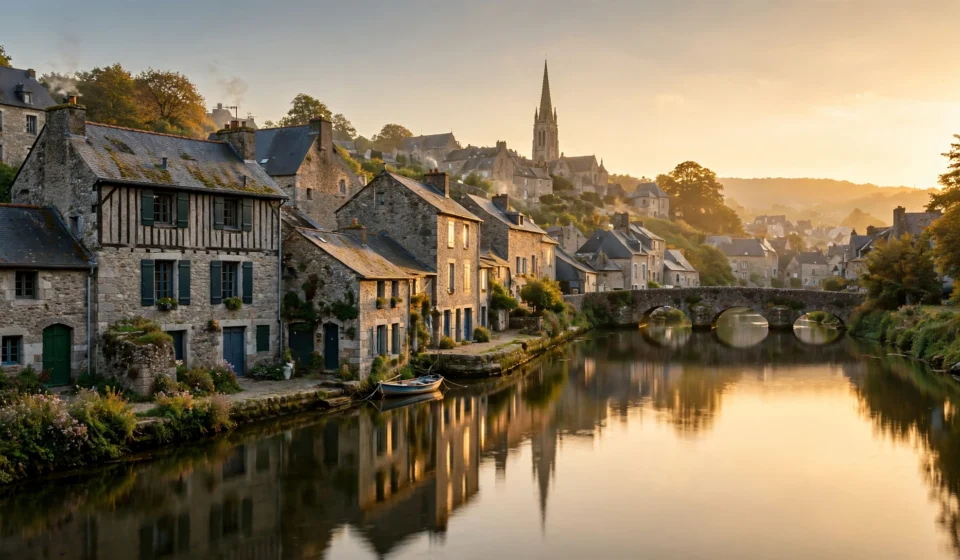
Jeannine Belleguic was born Jeannine Joséphine Annick Bleuzen on 28 May 1931 in Quimperlé, a town in the Finistère department of Brittany, in north-west France. Quimperlé sits where the Isole and Ellé rivers meet to form the Laïta, a market town of stone houses and parish churches rather than a place of national fame.
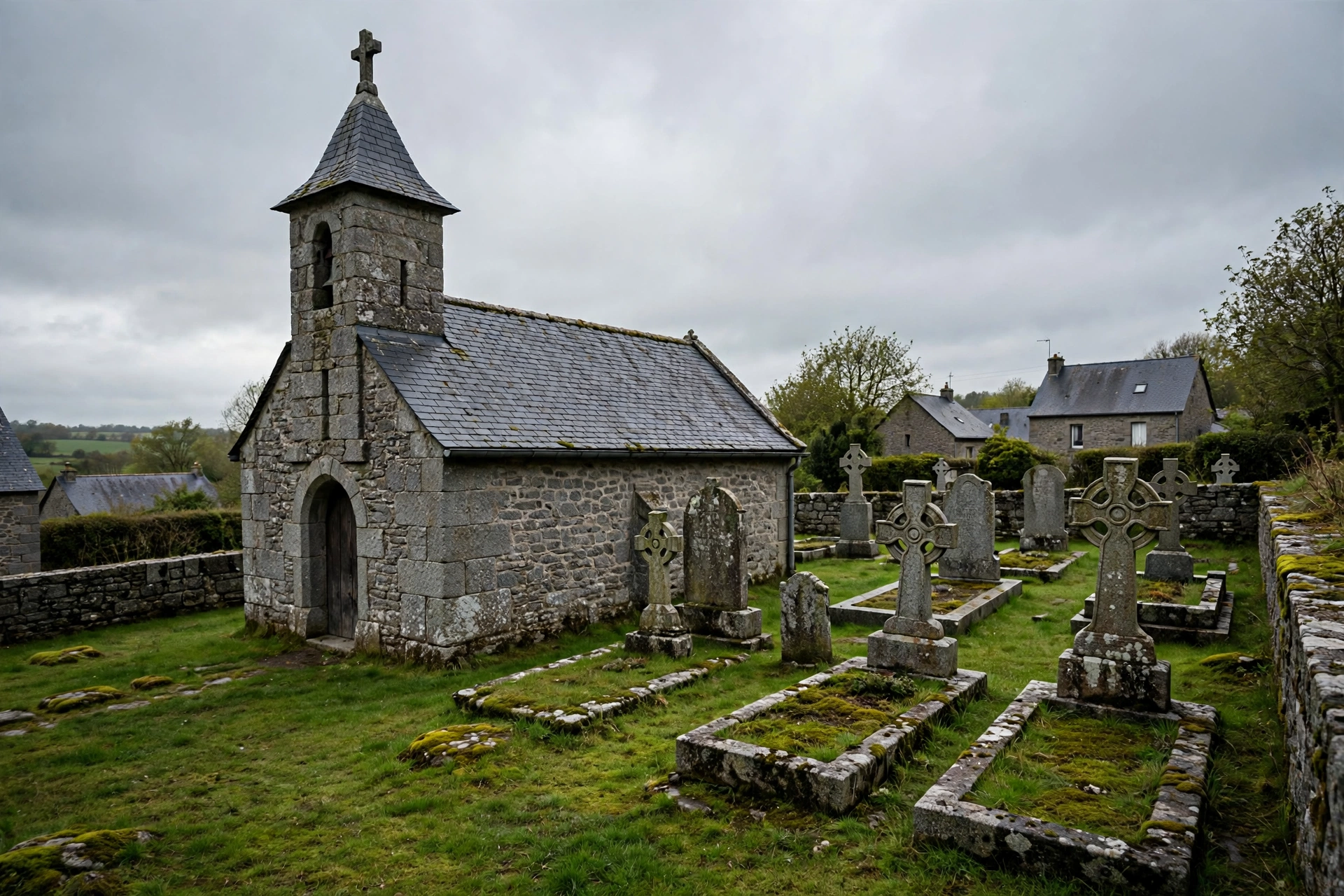
She died on 18 April 2025 in Lorient, a larger port city in the neighbouring department of Morbihan, at the age of 93. Her funeral was held a week later, on Friday 25 April 2025, at 2:30 in the afternoon, in the Église Notre-Dame de Quimperlé — the same town where she had been born nearly 94 years earlier — followed by burial at the Cimetière Saint-David in Quimperlé.
Her married name, in the formal French style used in the family notice, was Madame Jean-Charles Belléguic, née Bleuzen: the surname she was born with, Bleuzen, and the surname she took on marriage, Belléguic. The accent on the final letter is part of the family spelling, although online databases often strip it away, which is one reason the name circulates in slightly different forms.
| Detail | What the record says |
|---|---|
| Full birth name | Jeannine Joséphine Annick Bleuzen |
| Married name | Madame Jean-Charles Belléguic, née Bleuzen |
| Born | 28 May 1931, Quimperlé, Finistère, Brittany, France |
| Died | 18 April 2025, Lorient, Morbihan, aged 93 |
| Funeral | 25 April 2025, 2:30 p.m., Église Notre-Dame de Quimperlé |
| Burial | Cimetière Saint-David, Quimperlé |
| Family named in the notice | Three children, six grandchildren, ten great-grandchildren |
A Life in Quimperlé
What can honestly be said about a life of 93 years when the public record holds only a handful of dates? Less than most online biographies pretend, and more than nothing. Born in 1931, she lived through the war years in occupied Brittany, married, raised three children, and lived to see six grandchildren and ten great-grandchildren — four generations of one family, named together in the notice her family published when she died.
The notice connects her with three places in western Brittany: Quimperlé, Lorient and Guidel, where her family lived and gathered. What the record does not show is a continuous address history, a career, or any public role. That is not a gap to be filled with guesses. For most people who lived in the twentieth century, the absence of a public footprint is the normal state of affairs, not a mystery.
Her husband, Jean-Charles Belléguic, died decades before she did, so she carried the family forward for many years as a widow. Secondary genealogy pages report that he was born on 31 March 1924 in Quimperlé and died there on 24 June 1979, aged 55 — but those dates come from genealogy pages, not the family notice, so treat them as reported rather than confirmed.
Her Husband and the Paper Mill
One detail deserves care, because it is easy to get backwards. Family and local sources associate her husband, Jean-Charles Belléguic, with a senior administrative and financial role at Papeteries de Mauduit, a paper manufacturer based in Quimperlé. That connection belongs to him, not to her — it describes his working life, not hers.
Her own record shows no profession, business, title or employer, and no source found by the reviewers who checked the notice and the civil records gives her a job of any kind. That does not mean she did nothing — raising three children and keeping a household running for decades is work by any honest measure — but no professional biography can be written about her, and any page that gives her one is inventing it.
The Family Notice: What It Actually Says
The document at the centre of this story is the family death notice published in Ouest-France, the regional newspaper that carries death announcements across Brittany as routine local coverage, not celebrity reporting. It appeared publicly in late April 2025, a few days after her death, and it follows a familiar pattern: it names the person who has died, gives the date and place of death, lists the close family who announce it, and states the time and place of the funeral and burial. It also recorded that visits could be paid at the Chambre Funéraire du Pays de Quimperlé, in the Salon Mer, before the funeral.
What matters is what the notice does and does not do. It reliably establishes identity, dates, places and family relationships. It does not describe a person’s character, career, interests or achievements, because that is not its purpose. It is a practical announcement written by a grieving family for neighbours and relatives — not a biography, and not a press release.
What Is Documented and What Is Not
After the notice was published and indexed by search engines, pages began to appear that gave Jeannine Belleguic an elaborate professional life. None of it can be traced back to a real source: the reviewers who checked the original notice and the French civil records found no evidence at all for the claims listed below, and no university page, hospital record, publication list or professional directory has been produced to support any of them. There is also a separate confusion worth naming: an American woman connected to fundraising pages in Culver City, California, shares part of this name, and some pages have blended the two lives into one impossible biography. The two women have no documented family or geographic link.
| Claim | Status |
|---|---|
| Born 28 May 1931 in Quimperlé; died 18 April 2025 in Lorient, aged 93 | Documented in civil records and the family notice |
| Married name Madame Jean-Charles Belléguic, née Bleuzen | Documented in the family notice |
| Three children, six grandchildren, ten great-grandchildren | Documented in the family notice |
| Funeral 25 April 2025, Église Notre-Dame de Quimperlé; burial at Cimetière Saint-David | Documented in the funeral notice |
| A career in neuropsychology | Unverified — no evidence found |
| Academic work linked to Rennes | Unverified — no evidence found |
| Links to the Pitié-Salpêtrière hospital in Paris | Unverified — no evidence found |
| An institute carrying the family name | Unverified — no evidence found |
| An association with the Fêtes de Toulfoën | Unverified — no evidence found |
How a French Death Notice Works
Understanding the document helps explain why so much of what circulates about Jeannine Belleguic is unreliable. A French avis de décès, or death notice, is placed by the family, usually through a funeral home, and published in a regional newspaper such as Ouest-France. It is a short, formal text, and its conventions are worth knowing.
- What it reliably shows: the full name of the person who died, including maiden name where relevant; the date and place of death; the names of close family members; and the date, time and place of the funeral and burial.
- What it sometimes shows: where visits may be paid before the funeral, and the towns where the wider family lives.
- What it never shows: a person’s job, education, hobbies, personality, opinions or net worth. Those things are simply not part of the form.
- What it cannot prove: anything about a person’s life beyond the facts it states. A notice is evidence of a death and a family, not evidence of a career.
Why the Invented Biographies Appeared
The pattern is easy to describe. A real document — the death notice — was indexed by search engines, and the name began to appear in search suggestions, which told content publishers that people were looking it up. Publishers with no access to the family, no French records and no knowledge of Quimperlé then wrote full biographies anyway, because a page about a searched name earns traffic whether or not it is true.
The invented details follow a recognisable recipe: a prestigious profession, a famous institution, a university city, a festival, a foundation. Each one sounds plausible, and none of them can be checked, because no source is ever given. That is the test a reader should apply to any page about a private person: if a biography makes grand claims and cites no document, no institution and no publication, the claims are not facts — they are filling.
Jeannine Belleguic lived 93 years, raised three children, and was remembered by a family spanning four generations — a complete life that needs no borrowed career to be worth recording. The honest tribute to a private person is to record what is known, admit what is not, and leave the rest alone.

FAQs
Who was Jeannine Belleguic?
She was a private French woman from Quimperlé, Brittany, born Jeannine Joséphine Annick Bleuzen on 28 May 1931, who died in Lorient on 18 April 2025, aged 93. She was not a celebrity or public figure.
Why is her name searched online?
Her family death notice, published in Ouest-France in April 2025, was indexed by search engines. Content sites then began publishing biographies about her, which made the name more visible in search results.
Was Jeannine Belleguic a neuropsychologist?
There is no evidence for that claim. No university page, hospital record, publication list or professional directory supports it, and it should be treated as unverified.
What did her husband do?
Family and local sources associate her husband, Jean-Charles Belléguic, with a senior administrative and financial role at Papeteries de Mauduit, a paper manufacturer in Quimperlé — his role, not hers.
Where was she buried?
After a funeral at the Église Notre-Dame de Quimperlé on 25 April 2025, she was buried at the Cimetière Saint-David, Quimperlé.
Useful links: ClockToday | Google