Bilieter: Meaning, Origin and the Ticket Job Behind an Uncommon Word
Bilieter is a word that stops most people for a second. It looks familiar — close to “ticket”, close to “billet”, close to a few other words — but it is not one you hear every day. If you have seen it in a job listing, a search result or a conversation about events, you may have wondered what it actually means, and whether it is even a real word.
The honest answer is that there is no single, settled definition. “Bilieter” is not a standard entry in most English dictionaries, and it has no single universally accepted definition. This article explains what it most likely means, where it probably comes from, what the job involves, and what is not settled — without pretending the matter is closed.
What Does Bilieter Most Likely Mean?
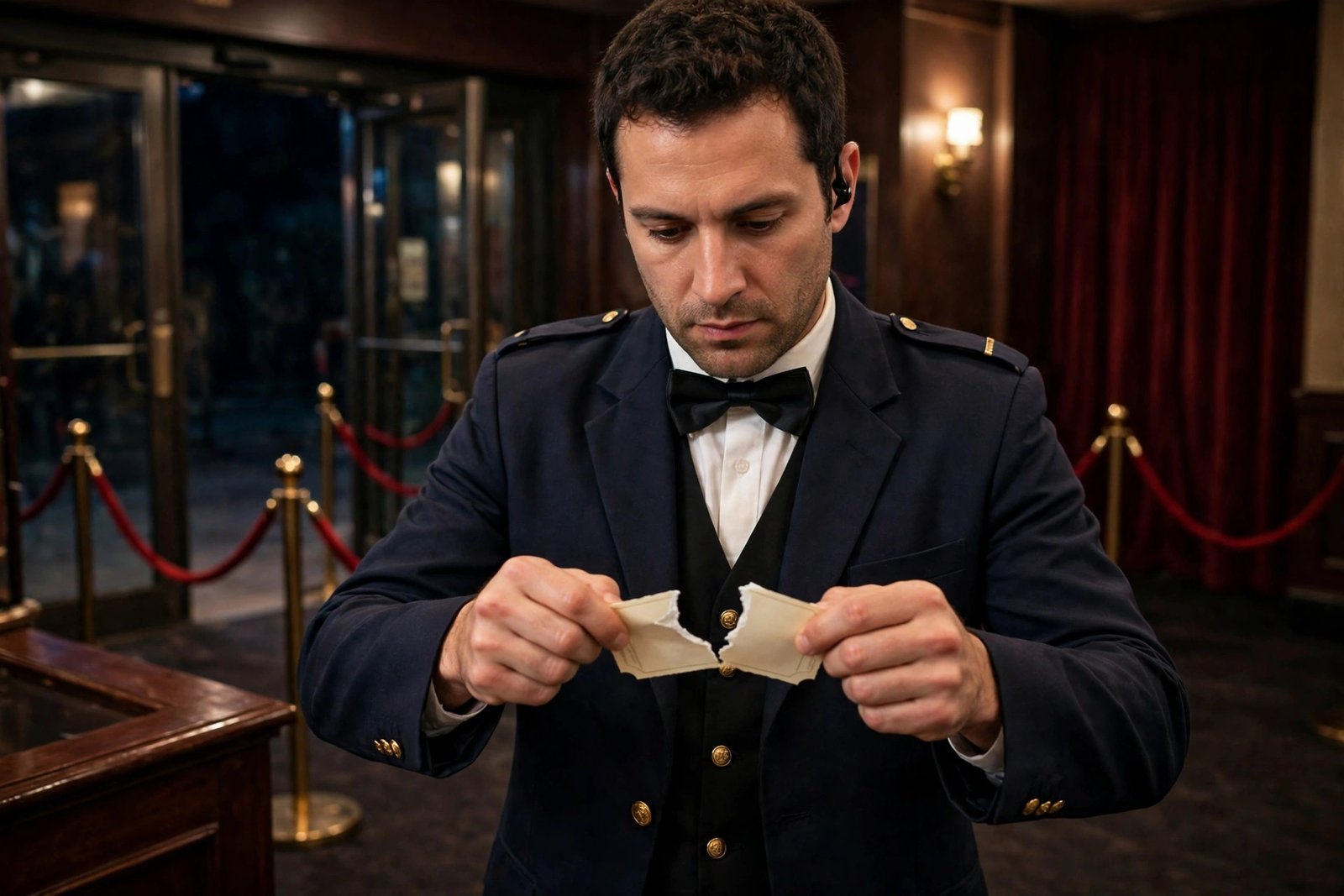
The best understanding is simple: a bilieter is a person who checks, collects or manages tickets at an entrance. Think of the person at a cinema door, a concert gate, a museum entrance or a train carriage, taking your ticket, checking that it is valid, and pointing you in the right direction.
That is the core of the role. The person is the first human contact between a venue and its visitors, confirming that people have paid and are in the right place.
In everyday English, the same work is more often called a ticket collector, a ticket checker, an usher or a ticket inspector, depending on the venue. “Bilieter” is the uncommon version of that idea — a word that turns up online and in some job descriptions, but not in most dictionaries.
Where Does the Word Come From?
The clearest clue comes from Polish. “Bilieter” is best seen as a variant spelling of the Polish word “bileter”, which means ticket collector. Collins lists Polish “bileter” as the translation of “ticket collector”, which gives this reading a solid footing: it is not a guess made from the sound alone, but a word with a real equivalent in another language.
Go back further, and the root is “billet”, an old term for a short written note or pass. In French, “billet” still means ticket, and “billetterie” means a ticket office. In Polish, “bilet” means ticket — a family of words built around a small piece of paper that lets you in.
English borrowed “billet” long ago, but as far as the dictionaries show, it did not adopt “bilieter” as a standard word of its own. It remains uncommon rather than established.
| Word | What it means | How it relates to bilieter |
|---|---|---|
| Bilieter | Person who checks, collects or manages tickets (uncommon; not a standard dictionary entry) | The word in question |
| Bileter | Polish for ticket collector | Closest relative; a variant spelling |
| Billeter | Someone who arranges lodging for soldiers (“billeting”); also a surname in Switzerland and France | Different meaning — lodging, not tickets |
| Billet | Old term for a short written note or pass; also lodging for soldiers | The root word, not the job itself |
| Biliterate | Someone who can read and write in two languages | Different word — language, not tickets |
Words Not to Confuse It With
Because the spelling is so close to several other words, confusion is easy. Two in particular are worth separating out clearly.
Biliterate is the most likely mix-up in writing. A biliterate person can read and write in two languages. It has nothing to do with tickets, venues or entrances. The shared letters are a coincidence of spelling, not a shared meaning. If you see “biliterate” in a CV or a language article, it is about literacy, not ticket collection.
Billeter, spelled with a double l and a single t in the middle, is a different word again. A billeter is someone who arranges lodging for soldiers — the practice called “billeting”. It is also a surname in Switzerland and France. Again, the sound is close and the root is related, but the job is different: finding beds for soldiers, not checking tickets at a door.
The Job Behind the Word
Whatever the word is called, the work itself is easy to picture, because most of us have met the person doing it. You arrive at a venue, you show your ticket, and someone checks it, tears it or scans it, and tells you where to go. That short exchange is the heart of the job.
The daily duties are general, and they are best described as typical for the role rather than fixed in a single job description. A bilieter or ticket collector usually checks that tickets are genuine, valid and unused. They guide guests to the right doors, seats or platforms. They manage queues, so that a crowd moves steadily instead of bunching up at one entrance. And they answer basic ticketing questions: where is this seat, is this the right platform, can I use this ticket later, where is the exit.
It is a public-facing job, and the busy moments are the test: doors open, a queue builds, a show is about to start. A wrong ticket or a lost ticket needs to be handled calmly, in front of people who are waiting.
Where You Find the Role
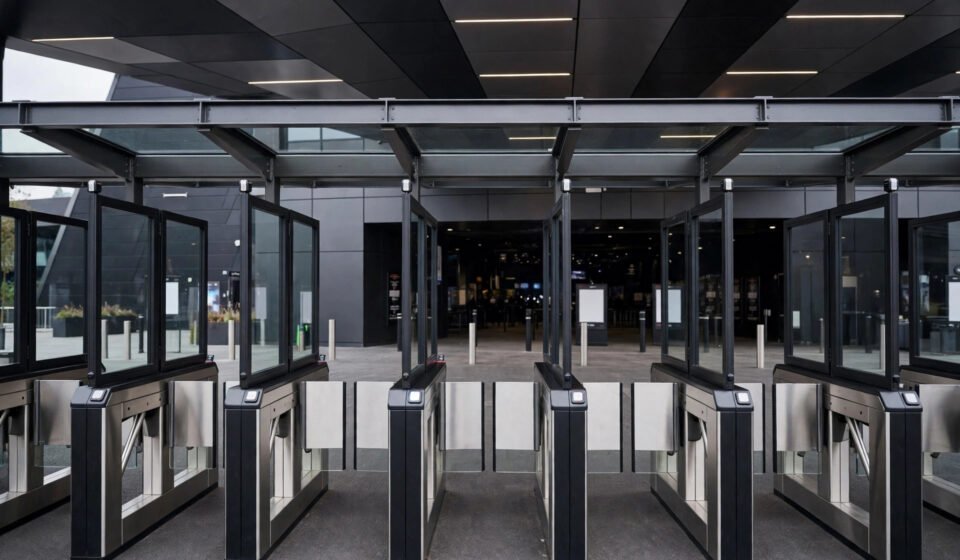
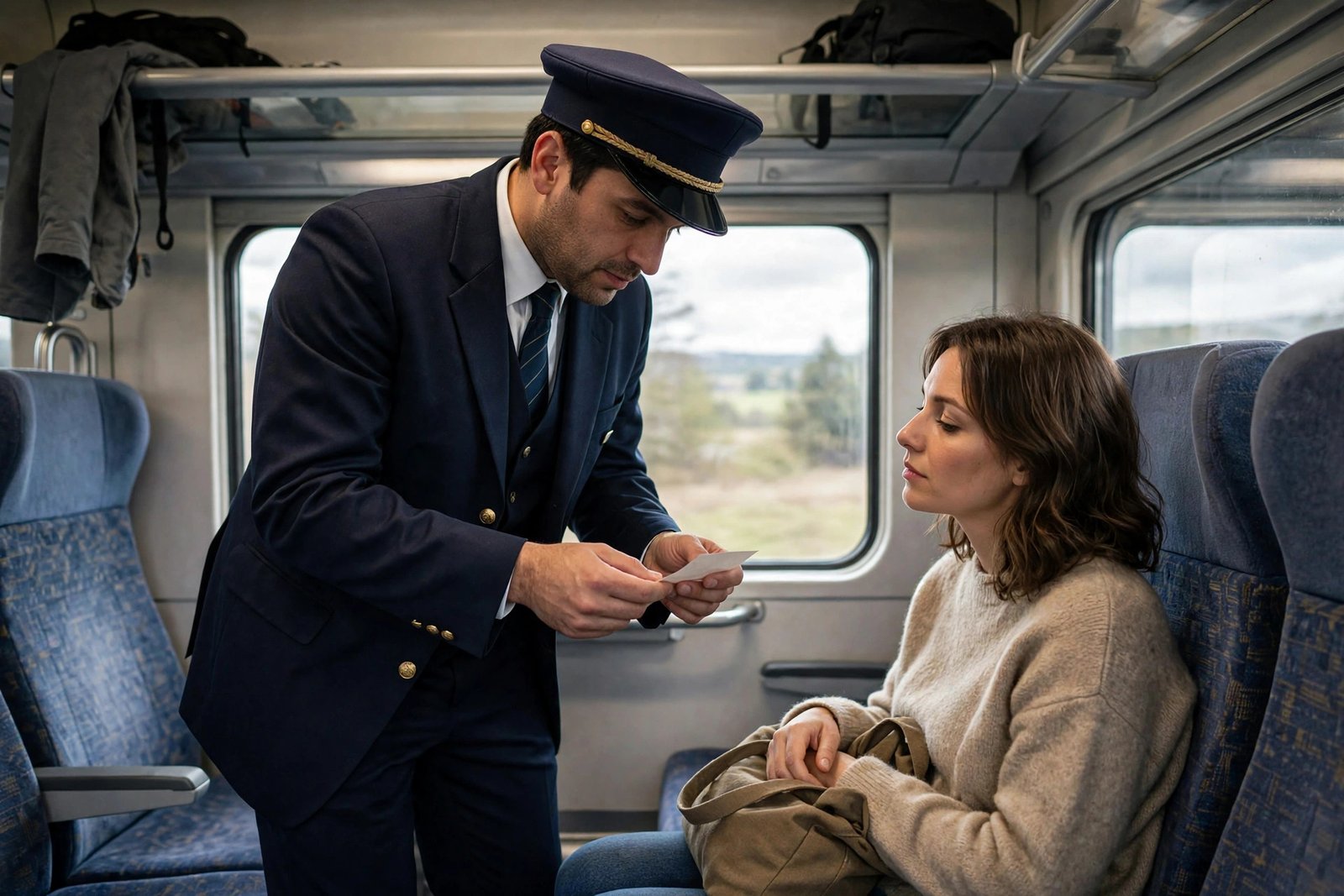
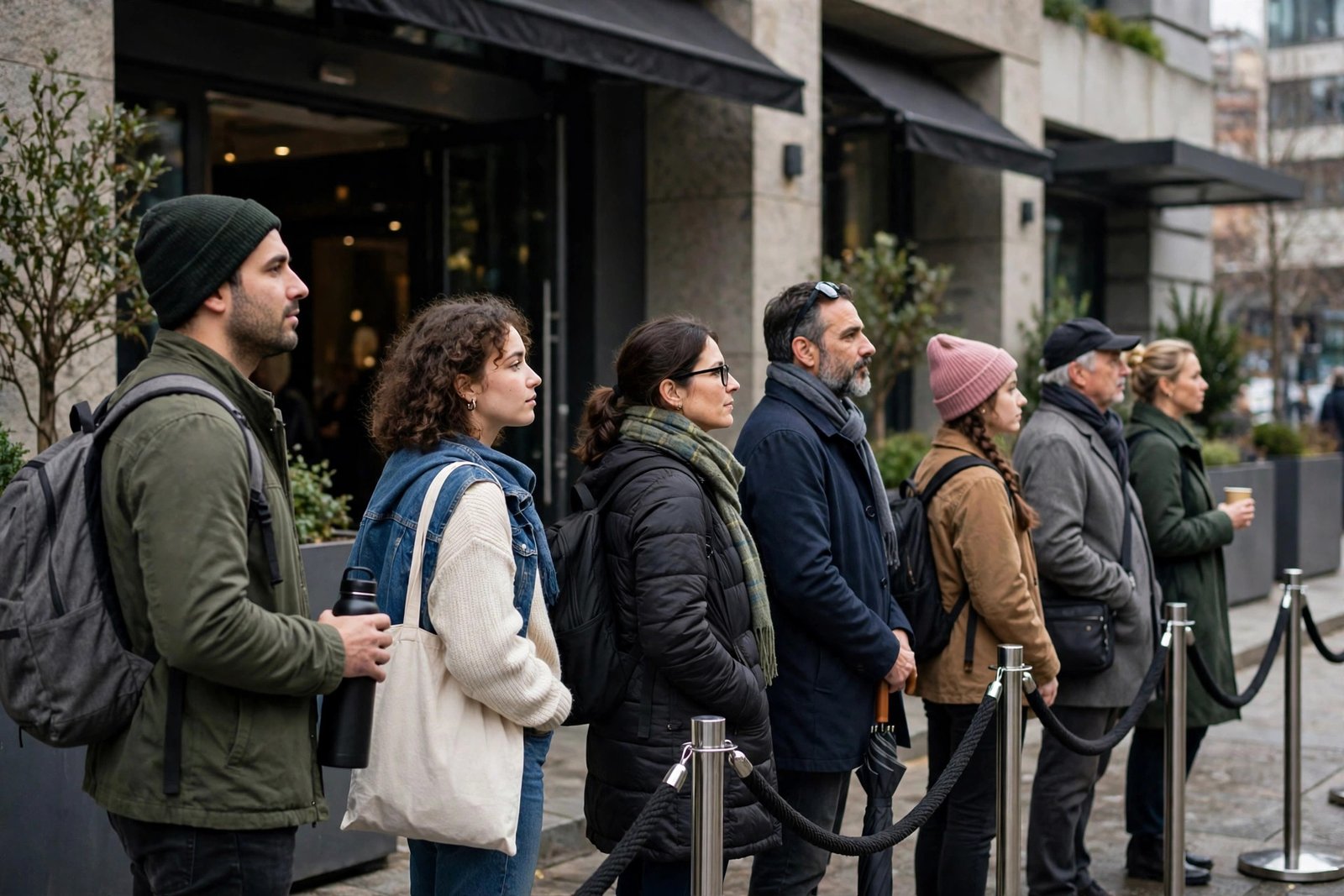
The role turns up anywhere people pay to enter. Cinemas, concerts, theatres and museums are the most obvious examples. Sports venues need ticket checkers at every gate. Trains and public transport need conductors and inspectors who check tickets on board. Festivals, exhibitions and one-off events need the same work, often for a single evening or weekend.
Each setting changes the job a little. At a cinema, there is a rush before each screening. At a concert, it is louder and more crowded. On a train, the checker moves through the carriages instead of standing at a door.
| Where | What the role looks like there |
|---|---|
| Cinemas | Checking tickets at the door before each screening, guiding people to the right screen |
| Concerts and theatres | Scanning tickets at gates, managing large queues, directing people to seats |
| Museums | Checking entry tickets, answering visitor questions, keeping entry flowing |
| Sports venues | Checking tickets at turnstiles and gates on match days, guiding fans to stands |
| Trains and public transport | Checking tickets on board, helping passengers find the right carriage or platform |
| Events and festivals | Checking wristbands or tickets at entrances, often for a single day or weekend |
Skills That Matter
The skills are not technical, but they are real. Patience comes first: the same questions, asked by different people, all day long. Clear communication comes next: short, friendly directions that a visitor can follow the first time. Attention to detail matters too, because a ticket that looks right at a glance may be for the wrong day, the wrong show or a seat that does not exist.
Staying calm under pressure is the skill that separates a good ticket checker from a stressed one: staying steady, dealing with one person at a time, and knowing when to call a supervisor. Basic honesty matters too — letting friends in without a ticket is the one thing the job exists to prevent.
Bilieter and Modern Digital Ticketing
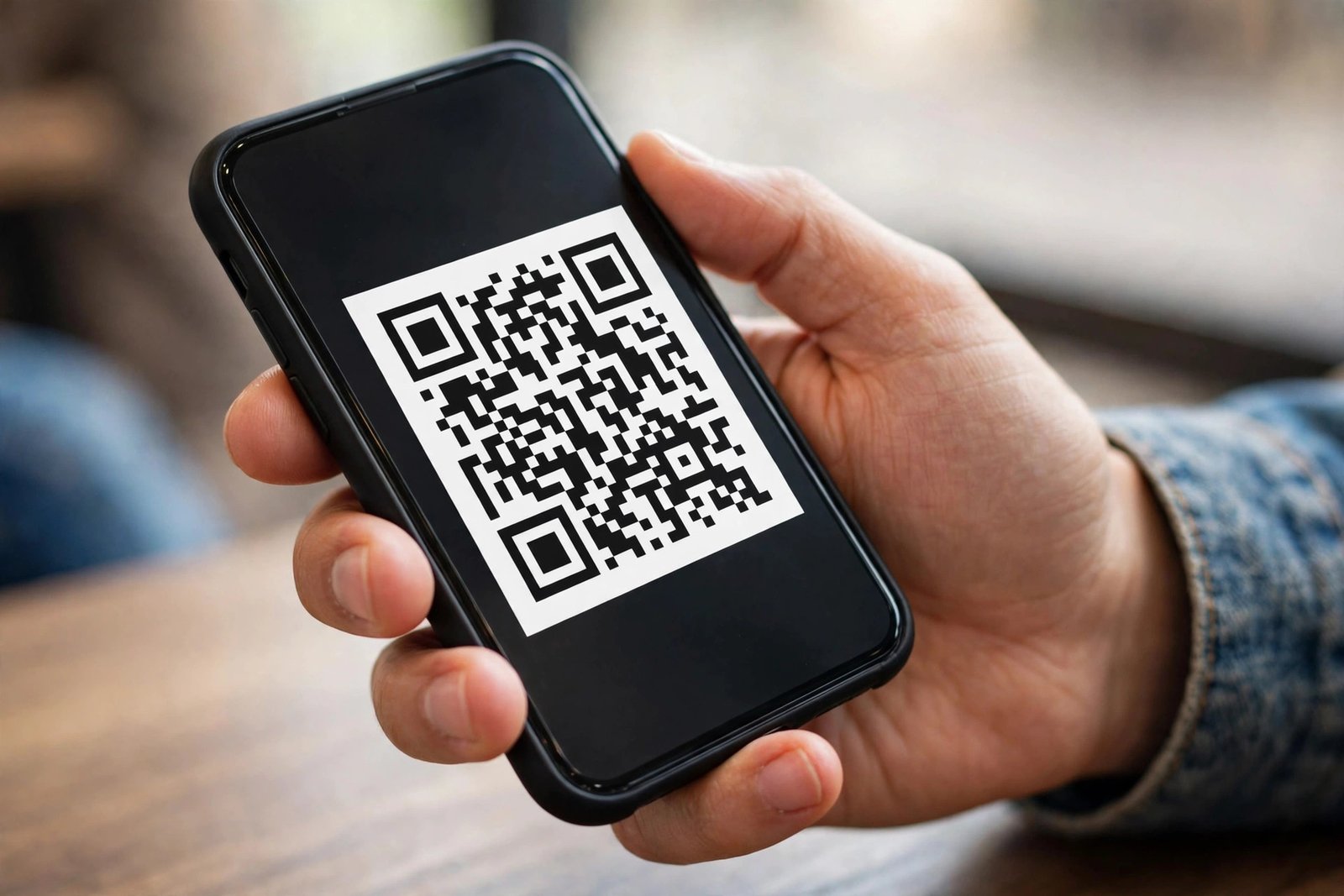
Online, the term is also used for modern digital ticketing: systems that create, sell, deliver and verify tickets with QR codes, mobile passes and online check-in. That is how the term is used online, and it is worth describing, but it should not be presented as an established dictionary definition. It is a usage, not a settled meaning.
The shift from paper to phone has changed the tools, but not the job at its core. A paper ticket was torn or stamped. A QR code is scanned. A mobile pass is checked on a screen. The question is the same in each case: is this ticket real, is it for this event, and has it already been used?
Digital tickets have added new tasks: a scanner that will not read a code, a phone battery that has died, a ticket bought under a different name. They also create new fraud, such as screenshots shared between people, which is why most systems mark a code as used the moment it is scanned. The technology changes. The human part of the job does not.
What Is Not Settled About the Word
It is worth ending where the article began: with what is not settled. “Bilieter” is not a standard entry in most English dictionaries. It has no single universally accepted definition. The reading given here — a ticket collector, a variant of Polish “bileter” — is the best understanding available, supported by the Polish translation and by the history of “billet” and “bilet”. It is not a fact to quote as if a dictionary had settled it.
Some words enter a language slowly, through job listings and everyday use, long before a dictionary catches up. “Bilieter” sits in that in-between space: understandable and rooted in a real Polish word, but not yet established in English.
If you use the word, say what you mean by it — a person who checks tickets at an entrance — and your reader will understand you. If you are writing a job description, the plainer terms, ticket collector or ticket checker, will be understood by more people. The word is uncommon, the job is familiar, and that difference is the whole point.
FAQs
Is bilieter a real English word?
Not in most English dictionaries; it has no single universally accepted definition.
What does bilieter most likely mean?
A person who checks, collects or manages tickets at an entrance.
Where does bilieter come from?
It is best seen as a variant of Polish “bileter”, from the root “billet”, a short note or pass.
Is bilieter the same as biliterate?
No, biliterate means able to read and write in two languages.
Where do bilieters work?
At cinemas, concerts, theatres, museums, sports venues, trains and events.
Useful links: ClockToday | Google