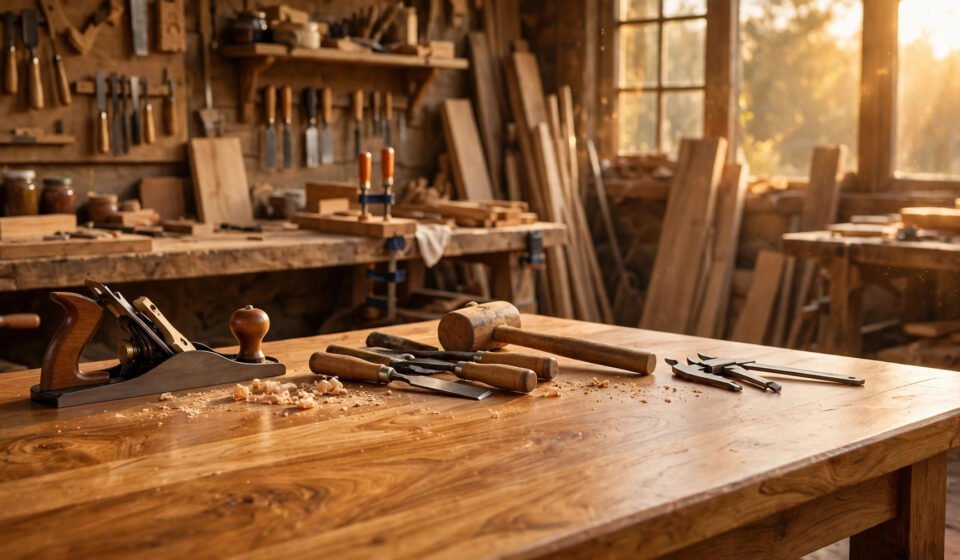
Acamento: The Art of Finishing and Why the Last 10% Matters Most
Walk into a freshly painted room and you’ll know within seconds if the job was finished properly. It’s not the colour that gives it away — it’s the edges. The line where wall meets ceiling, the corners around the door frame, the patch near the skirting board where someone got tired and stopped caring. Everything else can be perfect, but your eye goes straight to the one rushed spot.
That spot is what acamento is all about.
The word comes from Portuguese. Acabamento means finishing or completion, from the verb acabar, to finish, plus the suffix -mento. Acamento is a shorter, stylised version that has spread through design, construction and craft communities online. Let’s be straight about that: you won’t find acamento in a standard Portuguese dictionary. Acabamento is the everyday word in Brazil and Portugal; acamento is the variant people actually search for, and the idea is the same — the final stage of a job, the refining that turns something built into something finished.
What Acamento Actually Means
Strip away the Portuguese and acamento means this: the finishing touches that make something look polished, feel complete and work properly. It’s the last part of the process, not decoration added afterwards. It is part of the real work — just the part that takes patience instead of muscle.
Think about how a job usually goes. The first 80 percent is fast and satisfying — walls go up, boards get cut, and you can see progress every hour. Then comes the last stretch, and everything slows down: sanding, filling, smoothing, checking, fixing the small things you only notice when you step back. This is where most people start cutting corners, because the work stops looking impressive. But this slow, unglamorous stretch is what decides whether the result looks professional or homemade.
In Brazil and Portugal, builders treat acabamento as a trade in itself. The acabamento of a house means the plastering, tiling, paintwork and fitted cupboards — everything you touch and see once the structure is out of sight. The building might take months; the finishing takes weeks. And it’s the finishing the owners live with every day.
Where the Finishing Stage Shows Up
Acamento turns up everywhere once you start looking for it. Take a room: two rooms can have the same paint, floor and furniture, yet one feels calm while the other feels slightly off. The difference is nearly always in the finishing — a skirting board that meets the corner cleanly, grout lines that stay even, a door that closes with a soft click instead of a scrape. None of it is expensive — just someone willing to slow down.
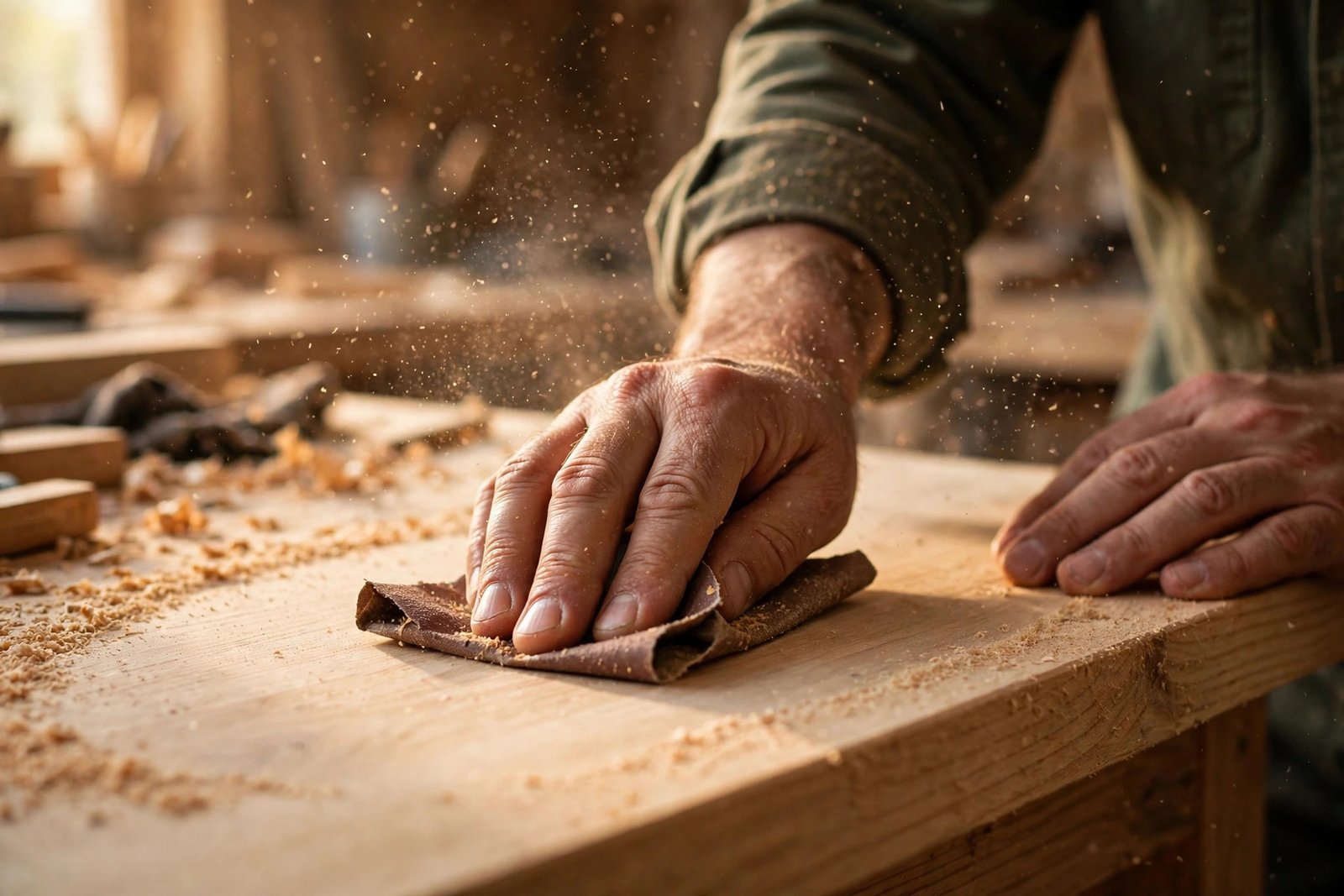
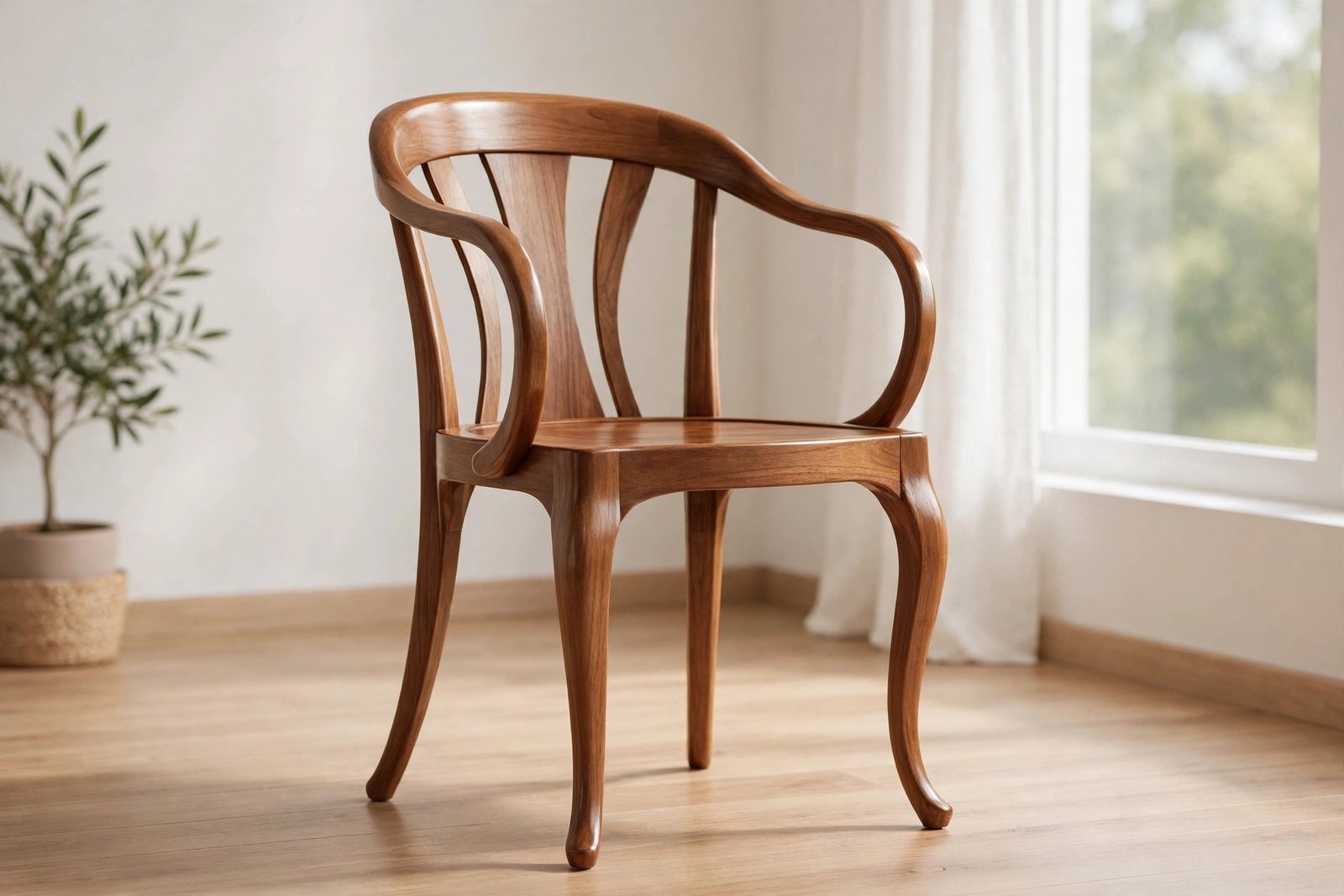
Then there’s furniture. A chair is the honest test of a woodworker’s finishing, because you sit on it. A well-finished chair has no rough patches under the seat, no sharp edge where your fingers curl around the backrest, no wobble when you shift your weight. Somebody sanded it through several grades of paper, sealed it, let it dry, sanded it again lightly, then put the final coat on. You can’t see that work. You feel it the moment you sit down.
The same thing decides whether a product feels cheap or well made. Pick up two kettles at similar prices and the one that feels better in your hand usually isn’t the one with more features — it’s the one where somebody sweated the details: the weight, the lid, the button that clicks instead of rattling. Customers decide in about ten seconds, mostly from those tiny signals.
What Good Finishing Actually Involves
Good finishing isn’t one trick. It’s four things happening together — and if any one of them is missing, people notice, even if they can’t say what’s wrong.
The surface
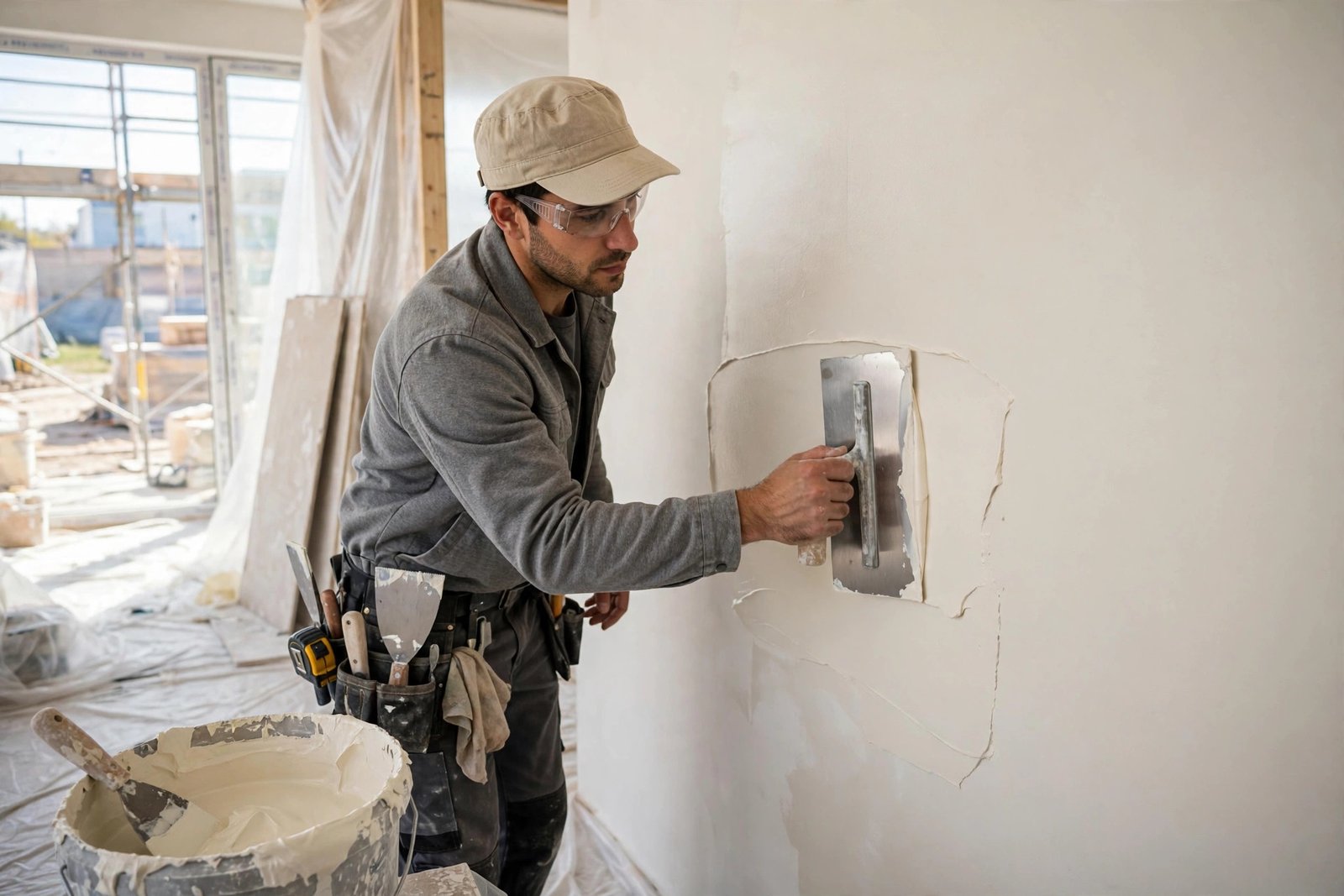
A surface should be smooth, even and clean to the touch. In woodwork that means sanding in stages, from coarse paper to fine, wiping dust away between coats. In plastering, a flat, even coat with no trowel marks showing through the paint. Run your hand over it slowly — your hand will find every flaw your eyes missed.
The edges
Edges are where cheap work gives itself away. A sharp edge on a shelf catches clothes and skin; a ragged tile edge collects dirt; a painted edge that bleeds onto the next surface looks careless from across the room. Good finishing means edges are eased, sealed, trimmed or capped — treated with the same care as the flat areas, not left as an afterthought. Want to judge a craftsman’s standards quickly? Look at the edges.
The fit
Fit is about how parts meet: drawers that slide smoothly, doors that close without a push, tiles that line up at the corners, panels that sit flush instead of proud. Fit is unforgiving because it can’t be faked with a coat of paint — either the two pieces meet cleanly or they don’t, and the gap is right there for anyone to see. Getting it right means measuring twice, cutting once, and dry-fitting before any glue goes in.
The feel
Feel is the hardest one to describe and the easiest one to recognise: the weight of a well-made drawer as it closes, the cool smoothness of polished stone, the softness of a properly hemmed fabric edge. It comes from the other three working together, plus one more ingredient — time. Finishing can’t be rushed, because drying, curing and settling all take as long as they take. Patience isn’t a personality trait in finishing. It’s a tool.
Finishing Looks Different on Every Material
Every material has its own finishing language. What works on oak would ruin a sheet of steel, and the soft touch that suits fabric would do nothing for stone.
| Material | Typical finishing steps | What “well finished” looks like |
|---|---|---|
| Wood | Sanding through finer grades, filling, sealing, oiling or varnishing | Smooth to the touch, grain visible and even, no rough patches or sticky spots |
| Metal | Deburring, grinding, polishing, brushing, powder coating or plating | No sharp burrs, consistent shine or matte texture, no bubbles or chips in the coating |
| Stone | Cutting, honing, polishing, sealing | Even colour, no scratches under light, sealed against stains, edges clean and straight |
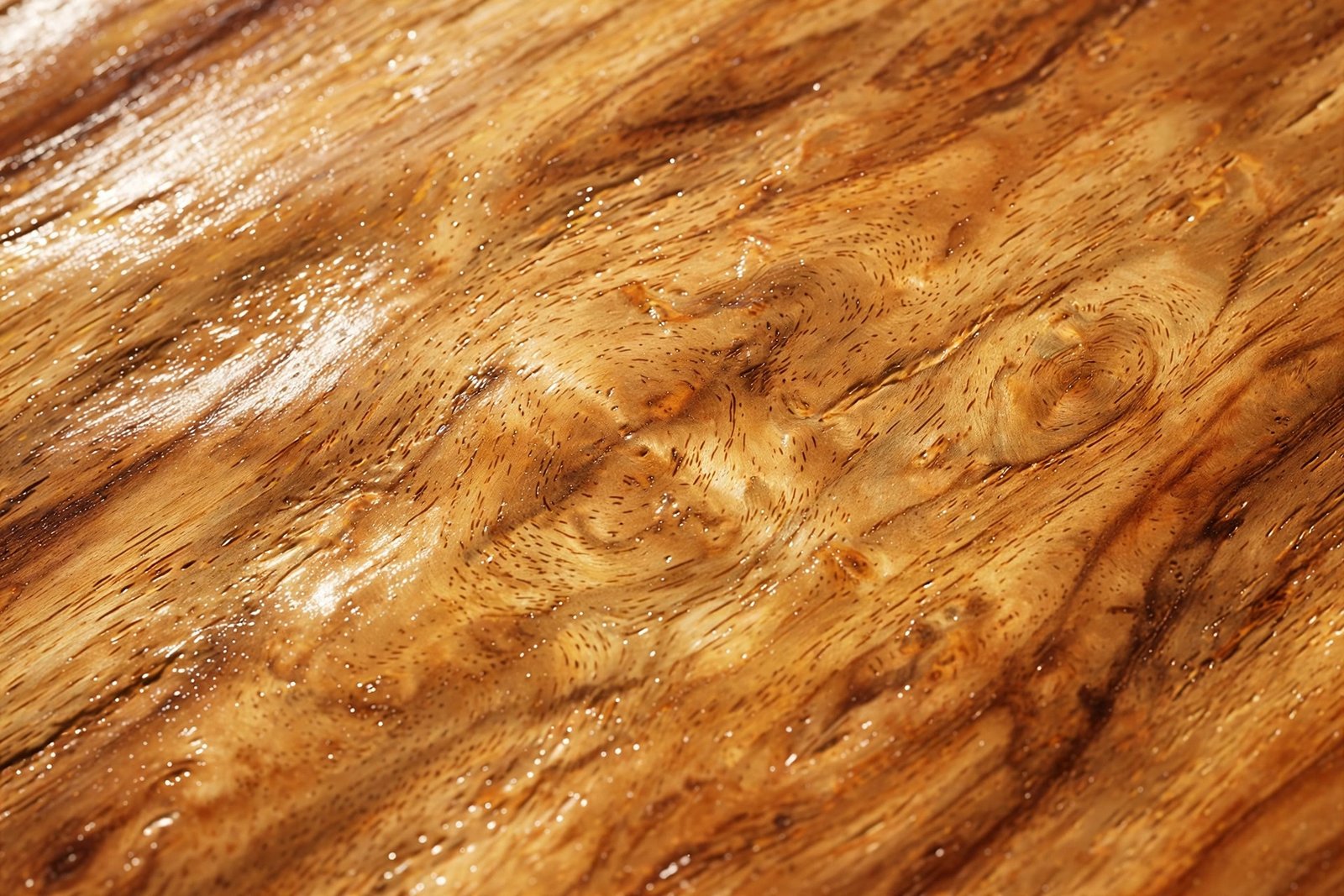
Done Is Not the Same as Well Finished
Here’s the mindset shift at the heart of acamento. “Done” means the job functions. “Well finished” means it functions and respects the person who will use it. A shelf that holds books is done; a shelf with no splinters, sitting level and looking like it belongs in the room, is well finished. The gap is small in effort — maybe an extra hour or two — and enormous in how the result is received.
The last 10 percent of a job carries more weight than the first 50: a modest project finished beautifully beats an ambitious one finished carelessly almost every time. The people who build a reputation for quality aren’t usually the ones with the biggest ideas — they’re the ones who refuse to walk away while the edges are still rough.
A Few Habits of People Who Finish Well
People who finish well do a few unglamorous things everyone else skips. First, they budget time for the ending. Most projects run late because the plan counted the building, not the finishing. Good craftspeople set aside real time — sometimes a quarter of the whole job — for sanding, checking and cleaning, so finishing stops being the thing squeezed out when time runs short.
Second, they inspect their work the way a stranger would: stepping back, changing the light, running a hand over the surface, opening and closing the drawer ten times. Some woodworkers use a raking light — a lamp held low and sideways — because it throws every bump and scratch into sharp relief. Third, they fix small flaws while they’re still small: a crack filled today is invisible, but left for a month it becomes a repair job.
Finally, they clean up. A job handed over dusty, with offcuts on the floor and fingerprints on the glass, doesn’t read as finished at all. The clean-up is part of the finishing, not something that happens after it. None of this needs talent you don’t have — just the decision to treat the last stretch as real work.
One Note on the Stories You Might Find Online
If you search for acamento, you’ll also find pages claiming cultural or wedding-ritual meanings for the word. Treat those with care: they come from scattered online sources without solid backing, and they don’t match how the word is actually used in Portuguese building, design and craft. The finishing meaning is the grounded one.
Why the Last 10% Matters Most
Every project has a moment — usually near the end — when it stops being about construction and starts being about care. The structure is up, the shape is there, and what remains is the choice between stopping now and finishing properly. That choice is where quality actually lives.
The last 10 percent is where a room becomes a place you’d want to sit in, where a chair becomes something you’d keep for twenty years instead of replacing in two, where a product becomes something people recommend to friends. It costs the least in materials and the most in attention — and it’s the part people remember.
Next time you start a project, try planning the ending first. Decide what “well finished” looks like before you pick up a tool, give the last stretch its own time and checklist, and when the main work is done, go for one more pass. Sand the edge once more. Wipe the surface down. Open the drawer and close it again. That extra pass is acamento — what turns work you’re happy with into work you’re proud of.
FAQs
What does acamento mean?
Acamento is a shortened, stylised variant of the Portuguese word acabamento, meaning finishing or completion. It describes the final stage of refining a product, surface or project — the finishing touches that make something look polished, feel complete and work properly. It isn’t a standard dictionary word; acabamento is the everyday Portuguese term.
Where is acamento used most?
It shows up most in construction and interior finishing, where acabamento is the standard term in Brazil and Portugal for plastering, tiling, painting and fitted joinery. It also applies to furniture, woodwork and product design.
What is the difference between done and well finished?
Done means a thing functions: the shelf holds books, the door closes, the wall is painted. Well finished means it also feels right — smooth surfaces, clean edges, tight joints, no mess left behind. The gap is usually a little extra time and attention, but it changes how the whole job is judged.
What does good finishing involve?
Four things working together: a smooth, even surface; clean, safe edges; a tight fit where parts meet; and an overall feel that is pleasant to use. Each material has its own methods, but the pattern is the same: prepare, smooth, seal, check, and only then call it done.
How can I finish a project better?
Set aside real time for finishing instead of squeezing it in at the end, inspect your work in different light and from different angles, fix small flaws as soon as you spot them, and clean up before handing the work over.
Useful links: ClockToday | Wikipedia | Google | MSN