Matare Meaning: Spanish Verb, Kiribati Word, Shona Name and More
If you typed “matare” into a search box and expected one neat definition, you probably came away confused. That is not your fault. Matare has no single meaning. It is one of those words that only makes sense once you know where you saw it — which language it was in, whether it was a name, a place, or a verb, and who was saying it.
So instead of forcing one answer, let’s walk through the real ones. They have almost nothing to do with each other, and the trick is knowing which one fits the sentence in front of you.
The short answer: it depends where you saw it
Matare shows up in Spanish grammar books, in a Pacific island language, as a girl’s name in Zimbabwe, as a mountain term in New Zealand, as a place name in Sri Lanka, and as the stage name of a musician. It also gets mixed up with two very similar-looking words — one that means peas and one that means rain — even though those are spelled differently.
In Spanish: a verb about killing — but which tense?
The most common place English speakers meet “matare” is Spanish, where it is a form of the verb matar, meaning “to kill”. The catch is the accent mark — or rather, the lack of one.
Without an accent, matare is the future subjunctive form, used with yo, él, ella and usted. You will almost never hear it in everyday conversation — it has mostly fallen out of modern spoken Spanish and survives mainly in old texts, legal language and famous Bible passages.
The best-known example is Job 13:15 in older Spanish Bibles: “aunque me matare” — “though he slay me”. That line is why so many people search for the word — they are reading an old translation, hit a verb form they have never seen, and want to know what it means. It is not a command or a threat. It is Job saying, in effect, even if God were to kill me, I would still trust him.
Add an accent and everything changes. Mataré, with the stress on the final syllable, is the simple future tense: “I will kill”. Same letters, different word. SpanishDictionary lists both forms — a good reminder that in Spanish, an accent is never decoration. It is part of the spelling.
The mix-ups: peas and rain
Here is where most of the confusion starts. Two very similar words look like “matare” at a glance, and search engines happily lump them together — but they explain why so many people land on this page.
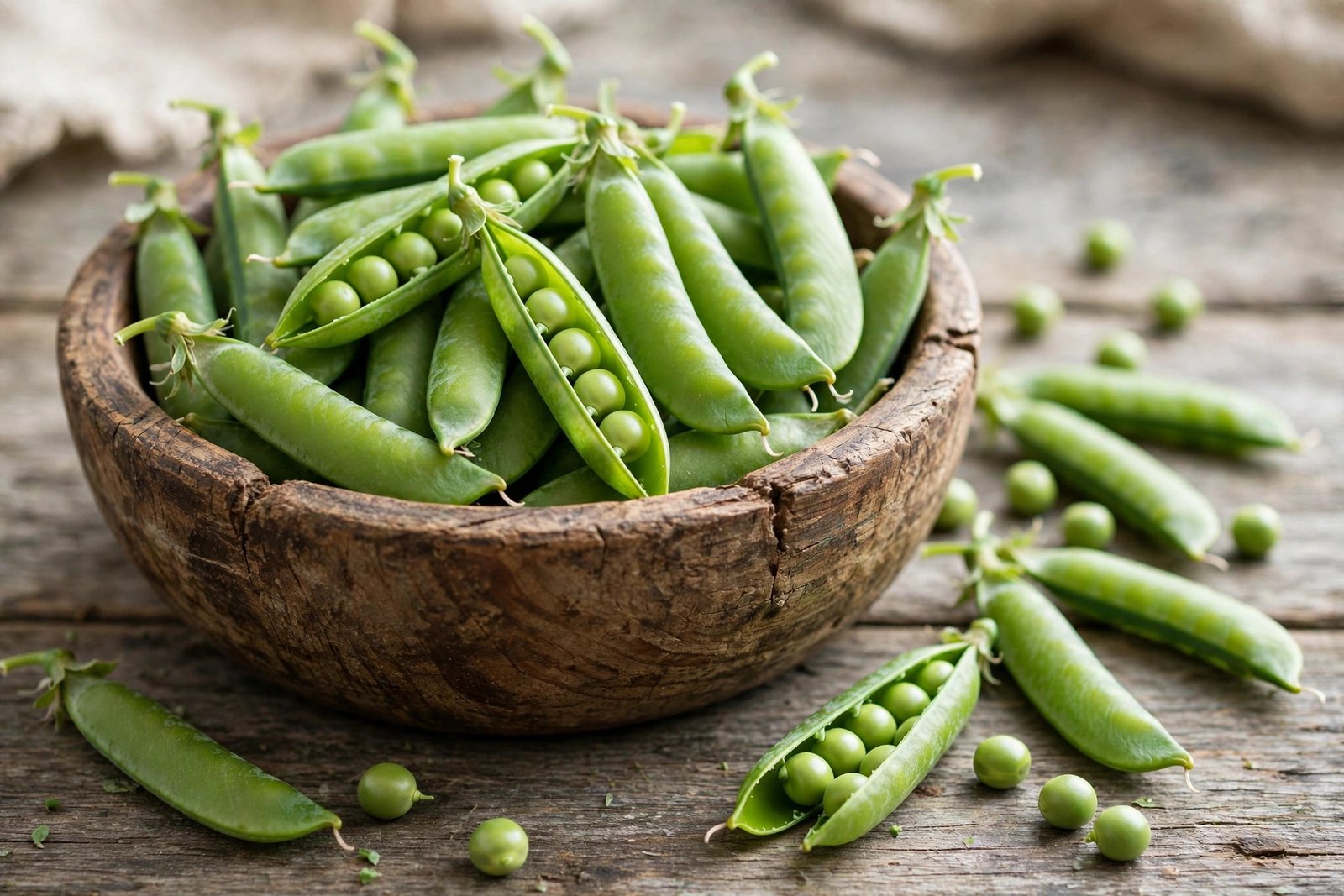
Matar means peas — with one t
In Hindi and Urdu, matar — one t, no final e — means peas. Green peas: the kind that go into matar paneer, that turn up in pulao and curries all year round.
It is a completely different word from the Spanish verb. It just sounds almost identical to an English speaker’s ear, and it is only one letter away on the keyboard. If you were looking for the pea — a recipe, a dish, a vegetable — then “matar” without the e is your word.
Matar means rain — in Arabic and Hebrew
The same near-miss happens with rain. In Arabic, matar means rain. In Hebrew, māṭar — catalogued as Strong’s H4305 in Bible concordances — means “to rain”. Again, the spelling is matar, not matare, and the meaning has nothing to do with the Spanish verb or with peas.
So if you were reading about rain in an Arabic or Hebrew context and stumbled across “matare”, you probably wanted matar. That extra e is doing real work: it is the difference between rain falling from the sky and a Spanish verb form from a centuries-old Bible translation.

In Kiribati: lasting a long time
Travel a long way from Spain and you find “matare” doing something entirely different. In Kiribati — the Pacific island nation whose language is sometimes called Gilbertese — matare means prolonged in time, remaining long.
The Kiribati–English Dictionary, drawing on the work of Bingham and Sabatier, gives the example “e matare te bong” — something like “many days before”. It is a word about duration: something stretching out, hanging around longer than expected. A long wait.

A girl’s name in Shona: Matare
In Zimbabwe, among Shona speakers, Matare is a girl’s name, and it carries a lovely meaning: “courts, iron bells”.
Shona names often carry real meaning rather than just sounding pleasant. Iron bells and courts — the sounds and places of community life, of gatherings, of announcements everyone can hear. A name like that is a small wish for the child who carries it: to be heard, to matter, to be part of something bigger than herself.
A mountain feature in Māori: mātārae
New Zealand gives us another completely different use, this time in Māori. Mātārae — note the long vowels, marked with macrons — means a spur: a subsidiary ridge that projects sideways and sharply from a mountain crest or slope.
Land Information New Zealand, the country’s official mapping agency, uses the term for these sharp ridges. A main ridge runs along the top of a range, and every so often a smaller ridge juts out from it, like a branch off a tree trunk. That branch is a mātārae.
A place in Sri Lanka: Matare
Matare is also a place name in Sri Lanka, in the country’s Southern Province, alongside better-known neighbours like Hambantota and Galle.
It is the kind of place name that turns up in reports rather than travel guides. After the 2004 tsunami, aid organisations worked across the Southern Province, and Malteser International — the relief agency of the Order of Malta — ran a water project in Matare after a successful pilot in the summer and autumn of 2005: wells and supply systems, the unglamorous infrastructure that decides whether a community recovers or not.
An artist called Matare
And then there is the music. Matare is the stage name of an artist interviewed by Cage Riot about his single “I Could Kill You But I Love You” — a title that already tells you something about his themes.
In the interview, he explained that the name is a play on his real name and means “I will kill” in Spanish — the future-tense mataré we met earlier — and that life and death are constant themes in his songs. That makes the name less of a random choice and more of a statement of intent, and it fits a song called “I Could Kill You But I Love You” rather well.
All the meanings at a glance
| Context | What “matare” means |
|---|---|
| Spanish (no accent) | Future subjunctive of matar — “(that) he / I kill”, as in “aunque me matare” |
| Spanish (with accent: mataré) | Future tense — “I will kill” |
| Kiribati (Gilbertese) | Prolonged in time, remaining long — “e matare te bong”, many days before |
| Shona (Zimbabwe) | A girl’s name meaning “courts, iron bells” |
| Māori | Mātārae — a spur, a sharp ridge jutting from a mountain side |
| Sri Lanka | A place in the Southern Province, near Hambantota and Galle |
| Music | Stage name of an artist; a play on his real name, meaning “I will kill” in Spanish |
| Lookalike word | Spelling | Meaning |
|---|---|---|
| Hindi / Urdu | matar | Peas |
| Arabic | matar | Rain |
| Hebrew | māṭar (Strong’s H4305) | To rain |
How to tell which meaning applies
How do you work out which Matare you are dealing with? Start with the sentence around it.
First, check the language of the surrounding text. If the page is in Spanish, especially an old Bible translation, you are almost certainly looking at the verb form — then check the accent to choose between the subjunctive and the future tense. If the text is about cooking with green peas, you wanted matar with one t. If it is about weather or scripture in Arabic or Hebrew, you wanted matar again, the rain word.
Second, ask whether it is a name. A capital M, attached to a person — a singer, a girl in Zimbabwe, a character in a story — points to the Shona name or the artist’s stage name. Names do not need to translate into anything.
Third, ask whether it is a place. If the sentence mentions Sri Lanka, the Southern Province, Hambantota, Galle, or an aid project, Matare is a dot on a map. And if it is about mountains and walking routes in New Zealand, mātārae is a spur.
Finally, watch the spelling. That final e matters, and so does the accent: matare and matar are not the same word, and matare and mataré are not the same word either. A single letter can move you from a plate of peas to a Bible verse to a Pacific island.
That is the honest answer. Matare means several things, in several languages, in several parts of the world, and none of them is the “real” one. The real one is whichever fits the sentence you are reading — and now you know how to spot it.
FAQs
What does matare mean in Spanish?
It is a form of matar, “to kill”. Without an accent, matare is the future subjunctive, used in the old Bible wording of Job 13:15, “aunque me matare” (“though he slay me”). With an accent, mataré is the future tense: “I will kill”.
Does matare mean peas?
No — that is a common mix-up. The word for peas in Hindi and Urdu is matar, with one t and no final e. “Matare” is a different word entirely, so for a recipe, search for “matar” instead.
What does matare mean in Kiribati?
In Kiribati, also called Gilbertese, matare means prolonged in time, or remaining long — “e matare te bong”, many days before. It has no connection to the Spanish verb.
Is Matare a name?
Yes. In Shona, spoken in Zimbabwe, Matare is a girl’s name meaning “courts, iron bells”. It is also the stage name of a musician, who said it is a play on his real name and means “I will kill” in Spanish.
Where is Matare in Sri Lanka?
Matare is a place in Sri Lanka’s Southern Province, in the same region as Hambantota and Galle. Malteser International ran a water project there after a successful pilot in the summer and autumn of 2005.
Useful links: ClockToday | Wikipedia | Google | MSN