How to Survive in the Wild: A Practical Guide to Staying Safe in Nature
Knowing how to survive in the wild is not only useful for serious adventurers. Anyone who enjoys hiking, camping, hunting, fishing, backpacking, or exploring remote places can benefit from basic survival knowledge. The wilderness can be beautiful and peaceful, but it can also become dangerous when weather changes suddenly, a trail becomes difficult to follow, or you run out of food and water. The good news is that surviving outdoors is less about having superhuman skills and more about staying calm, making sensible decisions, and understanding your surroundings.
When people imagine wilderness survival, they often think about building complicated shelters, catching animals, or starting a fire with two sticks. Those skills can be useful, but the most important survival tool is your ability to think clearly. Panic can make a small problem much worse. A person who remains calm can often solve problems that initially seem overwhelming.
This guide explains how to survive in the wild by focusing on the essentials: staying calm, finding or securing water, creating shelter, maintaining body temperature, making fire safely, finding food when necessary, navigating, avoiding injuries, dealing with wildlife, and knowing when to stay put or seek help.
Stay Calm and Assess the Situation
The first rule of wilderness survival is simple: do not panic.
If you realize that you are lost, injured, or separated from your group, stop moving for a moment. Take several slow breaths and look around. Ask yourself what happened, where you last knew your location, what resources you have, and what immediate dangers are nearby.
Running blindly through the forest because you are frightened can make your situation worse. You may travel farther away from your original route, become exhausted, or injure yourself.
A useful way to think about the situation is to separate urgent problems from problems that can wait. A serious injury, extreme cold, heat exposure, or lack of drinking water deserves immediate attention. Finding a comfortable place to sleep is important, but it comes after dealing with immediate threats.
Your first goal is not to accomplish everything at once. Your goal is to make the next safe decision.
Follow the Basic Survival Priorities
Survival situations are easier to manage when you understand your priorities. In general, focus on immediate threats first, followed by shelter, water, warmth, navigation, and food.
The exact order can change depending on the environment. In freezing conditions, staying warm may become the most urgent concern. In a hot and dry environment, water and protection from the sun may be more important.
A useful mental checklist is:
- Am I injured?
- Am I exposed to dangerous weather?
- Do I have safe drinking water?
- Can I protect myself from cold, heat, wind, or rain?
- Do I know where I am?
- Can rescuers locate me?
- Do I have enough energy to continue?
This simple assessment can prevent you from wasting energy on things that are not immediately necessary.
Find Safe Drinking Water
Water is one of the biggest priorities when learning how to survive in the wild. You can go much longer without food than without adequate hydration, especially in hot conditions.
If you already have water with you, conserve it without becoming dangerously dehydrated. If you need more, look for natural sources such as streams, springs, and flowing rivers.
However, never assume that clear-looking water is automatically safe. Natural water can contain bacteria, parasites, viruses, chemicals, or animal waste that you cannot see.
Whenever possible, treat wild water before drinking it. Common methods include boiling, using a suitable water filter, or using an appropriate purification method designed for drinking water.
If boiling is your chosen method, bring the water to a strong boil and follow current public-health guidance for the environment and elevation you are in. At higher elevations, boiling may require additional attention because water boils at a lower temperature.
Avoid drinking seawater. Its salt content can make dehydration worse.
Understand Where Water May Be Found
Knowing the landscape can help you locate potential water sources.
Water often collects in low areas, valleys, drainage channels, and places where vegetation is thicker. Animal tracks can sometimes lead toward water, although following animals blindly is not a reliable survival strategy.
Morning dew can provide small amounts of moisture in some environments, but collecting enough to depend on is difficult.
Rainwater is generally easier to collect when conditions allow. You can use a clean container, bottle, tarp, or other suitable material to collect falling rainwater. Even then, consider the cleanliness of whatever you use to collect it.
The important point is to think ahead. If you find a water source, do not immediately assume your survival problem is solved. You still need to consider whether the water is safe to drink and whether you can find the location again.
Build or Find Suitable Shelter
Shelter protects you from more than rain. It can help reduce exposure to wind, cold, heat, insects, and other environmental hazards.
If you become lost late in the day, building a huge shelter may not be the best use of your remaining energy. Look for natural protection first. A large rock overhang, fallen tree, or sheltered area may reduce exposure to the elements.
Avoid places that could become dangerous during rain or changing weather. Low drainage areas, dry riverbeds, and areas directly beneath unstable rocks or dead trees can create serious risks.
A good shelter should be:
- Away from flood-prone areas
- Protected from strong wind where possible
- Dry or capable of being made dry
- Large enough for you to rest safely
- Free from obvious falling-object hazards
- Located somewhere rescuers could potentially spot you
In cold weather, insulation from the ground is particularly important. The ground can draw heat away from your body, so creating a barrier between yourself and the ground can make resting much safer.
Learn How to Stay Warm
Hypothermia can become dangerous when your body loses heat faster than it can produce it. Cold rain, wind, wet clothing, and exhaustion can increase the risk.
Keeping dry is one of the simplest ways to reduce heat loss. If your clothing becomes wet, use available protection from rain and wind and replace or dry clothing when practical.
A fire can provide warmth, light, and psychological comfort, but it should never be treated as the only solution. Proper clothing, insulation, and shelter are essential.
In cold conditions, avoid unnecessary sweating because wet clothing can become a problem once you stop moving.
If someone develops severe shivering, confusion, unusual tiredness, poor coordination, or changes in consciousness, treat the situation as an emergency and seek professional medical assistance as quickly as possible.
Make a Fire Safely
A fire can be useful for warmth, light, cooking, and signaling. However, wildfire risk makes fire safety extremely important.
Before starting a fire, check local regulations and current fire restrictions. Some wilderness areas completely prohibit open fires during dry or high-risk periods.
If fires are permitted, choose a safe location away from dry vegetation, tents, branches, and other flammable materials. Keep the fire controlled and make sure it is completely extinguished before leaving.
Carrying waterproof matches, a lighter, and an appropriate fire starter is much more dependable than relying on primitive fire-making techniques.
If you are preparing for a wilderness trip, practice fire-starting before you need it. Learning in a controlled environment is much easier than trying to learn when you are cold, tired, and frightened.
Protect Yourself From the Weather
Weather can change quickly in many wilderness environments.
Before going outdoors, check the forecast and understand the climate of the area. Pack clothing based on the conditions you may actually encounter rather than the weather you hope to get.
A sunny morning does not guarantee a warm afternoon. Mountain environments can experience sudden changes in temperature and visibility. Heavy rain can turn small streams into dangerous waterways.
A practical outdoor clothing system usually includes layers that allow you to adjust to changing temperatures. Waterproof protection can also be valuable in wet environments.
Sun protection matters too. A hat, sunglasses, appropriate clothing, shade, and sunscreen can reduce exposure during long periods outdoors.
Learn Basic Navigation
Getting lost is one of the most common wilderness problems, and navigation skills can prevent it.
Do not depend entirely on your phone. Batteries can run out, signals can disappear, and electronic devices can fail.
A physical map and compass are valuable backup tools. Before your trip, learn how to read the map and use the compass rather than carrying them without understanding how they work.
Pay attention to landmarks such as:
- Mountain ridges
- Rivers and streams
- Distinctive rock formations
- Trails
- Valleys
- Roads
- Buildings
- Changes in vegetation
If you become lost, try to remember the last location where you were certain about your position. If you have enough supplies and there is no immediate danger, staying in one general area can make it easier for rescuers to find you.
The Rule of Not Wandering Aimlessly
One of the most dangerous mistakes in a survival situation is continuing to walk without a clear plan.
People often think that moving means they are doing something productive. In reality, walking without knowing where you are going can increase exhaustion and make rescue more difficult.
If you have a known safe location and a reliable route, following it may make sense. But if you are genuinely lost, stop and assess your options.
Marking your location, making yourself visible, and using signaling methods can be more useful than traveling randomly.
Make Yourself Easier to Find
If you are lost, your goal should not simply be to find rescuers. You should also make it easier for rescuers to find you.
Bright clothing can increase visibility. A whistle is useful because its sound can travel farther than your voice while using much less energy.
A flashlight can be used for nighttime signaling. A large visible marker can also help from the air, provided creating it does not damage the environment or create a fire hazard.
If you have a phone or emergency communication device, use it intelligently. Share your location if possible and communicate essential information rather than repeatedly using the battery.
Tell rescuers your location, condition, number of people in the group, available supplies, and any immediate hazards.
Carry a Basic Survival Kit
Preparation is much easier than improvisation.
A compact wilderness kit can include:
- Drinking water
- Water purification equipment
- First-aid supplies
- Map and compass
- Flashlight or headlamp
- Extra batteries
- Fire starter
- Emergency blanket
- Whistle
- Knife or multitool where legally and safely appropriate
- Extra food
- Weather-appropriate clothing
- Communication device
- Basic repair materials
The exact contents should depend on your destination, weather, duration, and activities.
Do not make the mistake of carrying equipment without learning how to use it. A water filter, compass, first-aid kit, or emergency device is much more valuable when you already understand its operation.
Know What to Do About Food
Food is important, but it is usually not the first priority in a short-term survival situation.
If you have no food, conserve your energy rather than immediately spending hours trying to hunt or trap animals.
Do not eat unknown berries, mushrooms, plants, insects, or other wild foods unless you are completely certain of their identification and safety. Many poisonous species look similar to edible ones.
For planned wilderness trips, bring enough food for the expected journey plus an emergency reserve when practical.
High-energy foods that are compact and easy to carry can be particularly useful because they provide calories without adding excessive weight to your pack.
Avoid Drinking Unsafe Water Because You Are Thirsty
Extreme thirst can cause people to make dangerous decisions.
A person may see a beautiful mountain stream and assume it must be clean. Unfortunately, appearance is not enough.
Water contaminated upstream can look perfectly clear. Wild animals can also introduce microorganisms into water.
Whenever possible, treat natural water before drinking it.
If you are unsure whether a purification method works for a particular contaminant, do not guess. Different filters and purification products have different capabilities.
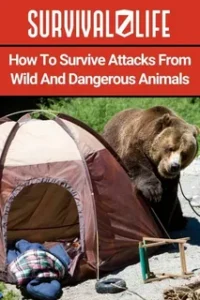
Be Careful Around Wild Animals
Wild animals usually prefer to avoid humans, but close encounters can become dangerous.
Never approach a wild animal simply because you want a photograph. Do not feed wildlife, and avoid leaving food or garbage around your campsite.
Store food securely according to local wilderness guidance, especially in areas where large predators are present.
If you encounter an animal, give it space. Do not run toward it, corner it, or attempt to touch it.
The correct response depends heavily on the species. Learn about the wildlife in your destination before traveling there.
Protect Yourself From Insects and Ticks
Small creatures can cause major problems in the wilderness.
Mosquitoes, ticks, flies, and other insects can bite, irritate the skin, or transmit disease in some regions.
Wear appropriate clothing and use insect repellent according to its instructions. In tick-prone areas, check your clothing and body after spending time outdoors.
Pay particular attention to areas where ticks can hide.
Prevention is easier than dealing with an infection or illness later.
Treat Injuries Early
A small injury can become a serious problem when you are several hours or days from medical care.
Clean minor wounds as soon as practical and protect them from dirt. Use your first-aid supplies appropriately and avoid making an injury worse through unnecessary movement.
Sprains and fractures require particular caution. If you suspect a serious injury, prioritize stabilization and emergency communication rather than attempting a difficult journey.
A first-aid course is one of the most valuable preparations for people who regularly spend time outdoors.
Know the Signs of Heat Exhaustion
Cold is not the only environmental threat.
In hot conditions, dehydration and overheating can develop quickly, especially when someone is hiking while carrying a heavy backpack.
Possible warning signs of heat-related illness include heavy sweating, weakness, dizziness, headache, nausea, and confusion.
Move the affected person toward shade or a cooler environment, reduce exertion, and provide appropriate fluids when they are able to drink. Severe symptoms or altered mental status require urgent medical help.
Planning your route around heat is also important. In very hot environments, traveling during cooler parts of the day can reduce exposure.
Do Not Underestimate the Sun
Sun exposure can become dangerous even when the temperature does not feel extreme.
Snow, sand, and water can reflect sunlight, increasing exposure. Long periods outdoors can cause sunburn, dehydration, and heat-related problems.
Use shade whenever available. Wear protective clothing and apply sunscreen to exposed skin.
A lightweight hat can also provide useful protection.
Learn How to Cross Water Safely
Rivers and streams can be far more dangerous than they appear.
Fast-moving water can knock a person off balance, and slippery rocks can cause serious injuries.
Never assume that shallow water is automatically safe. Strong current can make even relatively shallow water dangerous.
If a water crossing is necessary, assess whether there is a safer route around it. Avoid crossing during flooding or when the current is visibly powerful.
In many situations, waiting for safer conditions is better than taking an unnecessary risk.
Avoid Dangerous Terrain
Wilderness survival is often about avoiding trouble before it happens.
Be careful around cliffs, unstable slopes, loose rocks, deep snow, thin ice, caves, and abandoned structures.
Do not climb simply because you think a higher viewpoint will help you navigate. A minor fall can turn a manageable situation into a rescue emergency.
If visibility becomes poor, especially in mountainous terrain, slow down or stop rather than continuing into unknown terrain.
Travel With Someone When Possible
One of the easiest ways to improve wilderness safety is to avoid going alone.
A companion can provide assistance if someone becomes injured, sick, or exhausted. Before leaving, tell another person where you are going and when you expect to return.
For remote trips, provide a detailed itinerary and update your contact if your plans change.
This simple habit can significantly reduce the difficulty of locating you during an emergency.
Keep Your Phone Useful
A smartphone can be an excellent wilderness tool, but it should not be your only survival plan.
Before leaving, download maps for offline use if available. Charge the phone fully and consider carrying a power bank.
Use airplane mode or low-power settings when appropriate to preserve battery life, but keep emergency communication capabilities available when needed.
Do not spend hours using the phone for entertainment if you are lost. Battery power may become important later.
Learn to Read the Environment
Survival becomes easier when you pay attention to your surroundings.
Look at the direction of the terrain, weather patterns, vegetation, water sources, animal activity, and signs of human presence.
Human-made features can sometimes provide useful clues. A distant road, fence, trail marker, power line, or building may indicate that you are closer to civilization than you think.
However, do not follow unknown infrastructure blindly. Some areas around roads, railways, industrial sites, and private property can be dangerous.
Manage Your Energy
Energy is a survival resource.
Walking continuously, climbing steep terrain, or trying to build an elaborate shelter can consume large amounts of energy.
Move deliberately and rest when necessary. Eat and drink appropriately. Avoid unnecessary physical work.
If you are lost, ask whether a planned action is actually improving your situation before spending valuable energy on it.
A calm, slow approach is often more effective than frantic activity.
What to Do During a Storm
When severe weather approaches, shelter should become a priority.
Avoid exposed ridges and high points during thunderstorms. Stay away from isolated tall objects and dangerous open areas when lightning is present.
Heavy rain can cause flash flooding, especially in valleys, canyons, and dry riverbeds.
If you are camping, secure your equipment and move away from areas where water could suddenly accumulate.
Weather awareness is one of the best survival skills because it allows you to act before conditions become dangerous.
What to Do If You Become Lost at Night
Nighttime navigation is difficult even for experienced outdoor travelers.
Unless there is an immediate threat to your safety, staying put may be safer than continuing through unfamiliar terrain in darkness.
Find a protected location, conserve your energy, stay warm, and prepare to signal for help.
Use a flashlight carefully and avoid wasting batteries.
When daylight returns, reassess your location and options.
Practice Before You Need the Skills
Reading about wilderness survival is useful, but practice creates confidence.
Learn how to:
- Read a map
- Use a compass
- Treat drinking water
- Build an appropriate emergency shelter
- Use a first-aid kit
- Start a fire safely where permitted
- Recognize local hazards
- Use emergency communication equipment
- Prepare food and equipment for outdoor conditions
Practice these skills in safe and controlled environments before attempting remote adventures.
You do not want your first attempt at using a compass to happen when you are already lost.
Preparation Is the Best Survival Skill
The easiest survival problem to solve is the one you prevent.
Before entering the wilderness, research the area. Check weather forecasts, trail conditions, wildlife warnings, fire restrictions, water availability, and emergency services.
Pack according to the environment rather than relying on a generic checklist.
Tell someone where you are going and when you expect to return.
Carry enough water and food for the planned activity, plus reasonable emergency supplies.
Even a simple day hike deserves some preparation if the area is remote.
How to Survive in the Wild With Limited Equipment
If you find yourself outdoors without proper equipment, focus on the resources you still have.
Your clothing can provide warmth. Natural features can provide shelter. Rain can provide water that you collect safely. Daylight can help with navigation and signaling.
The key is to avoid destroying your limited resources through careless decisions.
For example, do not walk for hours simply because you feel that you must keep moving. Do not drink untreated water simply because you are thirsty. Do not climb a dangerous slope because you think you might see a road from the top.
Survival is often about reducing risk rather than doing something dramatic.
Common Wilderness Survival Mistakes
Many survival situations become worse because of avoidable mistakes.
One common mistake is panic. Fear can cause people to make rapid decisions without considering consequences.
Another is underestimating weather. A pleasant afternoon can turn into a dangerous night if you are not prepared.
Some people also rely too heavily on technology. GPS devices and smartphones are useful, but batteries and signals are not guaranteed.
Drinking untreated water is another major mistake.
Trying to eat unknown plants or mushrooms can be extremely dangerous.
Finally, people sometimes fail to tell anyone about their travel plans. If nobody knows where you went, organizing a search can become much more difficult.
A Simple Wilderness Survival Mindset
You do not need to become an expert survivalist to improve your outdoor safety.
Remember a few basic principles:
Stop and think before acting.
Protect yourself from immediate environmental dangers.
Secure safe drinking water.
Stay warm or cool depending on conditions.
Create or find appropriate shelter.
Conserve energy.
Use navigation carefully.
Signal for help when necessary.
Avoid unnecessary risks.
Prepare before every trip.
These principles are more valuable than memorizing dozens of complicated survival tricks.
Final Thoughts on How to Survive in the Wild
Learning how to survive in the wild is ultimately about preparation, awareness, and good decision-making. Nature does not always provide warning before conditions change, so the ability to recognize risks early can make a major difference.
You should know how to find and safely treat water, protect yourself from the weather, create suitable shelter, manage your energy, navigate responsibly, respond to injuries, and signal for assistance. You should also understand the specific environment you are entering because surviving in a desert is very different from surviving in a cold mountain region or dense forest.
Most importantly, do not wait until an emergency happens to learn these skills. Practice navigation, first aid, water treatment, fire safety, and outdoor preparation while conditions are controlled.
The wilderness can be challenging, but with preparation and a calm mindset, you can greatly reduce unnecessary risks and respond more effectively when something does not go according to plan.