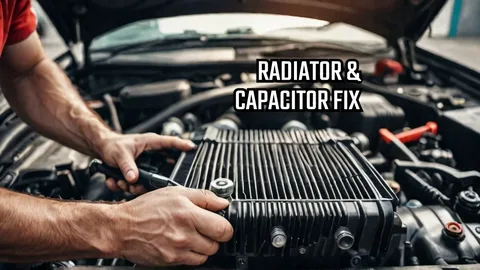
Radiator Repair: A Practical Guide to Common Problems, Repairs, and Maintenance
A radiator is one of those parts of a vehicle that most drivers do not think about until something goes wrong. The engine produces a great deal of heat while the vehicle is running, and the cooling system has the important job of controlling that heat. When the radiator cannot do its job properly, the engine temperature can rise quickly and create expensive problems.
This is why radiator repair should never be ignored. A small coolant leak, blocked passage, damaged hose, or faulty radiator component may seem like a minor issue at first, but continuing to drive with a cooling problem can eventually lead to serious engine damage.
Understanding how a radiator works, what causes common failures, and when professional repair is needed can help vehicle owners deal with problems before they become major repairs.
What Is a Vehicle Radiator?
A radiator is a major component of a vehicle’s cooling system. Its primary purpose is to remove excess heat from the engine coolant.
When an engine runs, combustion creates high temperatures. Coolant circulates through passages around the engine and absorbs some of that heat. The heated coolant then travels to the radiator. Air passing through the radiator helps remove heat from the coolant before the liquid returns to the engine.
This process continues while the engine is operating.
The radiator therefore plays an important role in keeping the engine within its normal operating temperature range.
Why Radiator Repair Matters
An engine that becomes too hot can suffer serious damage.
Excessive heat can affect engine components, seals, gaskets, and other parts. In severe cases, overheating can result in a damaged head gasket, warped components, or even engine failure.
Radiator repair is therefore not simply about fixing a small leak or replacing a damaged part. It is about protecting the entire cooling system and preventing a relatively inexpensive problem from becoming a costly mechanical failure.
Common Signs of a Radiator Problem
Radiator problems can appear in several different ways.
One of the most obvious signs is coolant leaking beneath the vehicle. Depending on the type of coolant being used, the liquid may have a noticeable color, although coolant color varies between products.
Another warning sign is an engine temperature gauge that consistently moves higher than normal.
Drivers may also notice:
- Steam or vapor coming from the engine area
- A low coolant level
- Frequent need to add coolant
- An unusual smell after driving
- Visible corrosion around the radiator
- Damaged radiator fins
- Coolant stains around connections
- Engine overheating during traffic
- Poor cooling performance
- A warning light on the dashboard
Not every one of these symptoms automatically means the radiator itself is damaged. Other cooling-system components can create similar symptoms, which is why proper diagnosis is important.
What Causes Radiator Damage?
Radiators can fail for several reasons.
Age is one common factor. Over time, repeated heating and cooling cycles can put stress on radiator materials and connections.
Corrosion can also weaken the radiator. Internal corrosion may affect coolant passages, while external corrosion can damage the radiator structure.
Road debris is another possible problem. Small stones and other objects can hit the radiator fins and reduce airflow.
Leaks can develop around seams, tanks, connections, or damaged areas.
A radiator may also appear to be the problem when the real issue is somewhere else in the cooling system.
Radiator Leaks

A leak is one of the most common radiator-related problems.
Even a small leak should receive attention because coolant loss can gradually reduce the cooling system’s ability to control engine temperature.
Leaks may occur in different locations. A technician may inspect the radiator itself, hoses, clamps, connections, and other components to determine where coolant is escaping.
A pressure test can sometimes help identify a leak that is difficult to see during a normal visual inspection.
The correct repair depends on the location and severity of the damage.
Damaged Radiator Hoses
Radiator hoses carry coolant between different parts of the cooling system.
Rubber hoses can become brittle, cracked, swollen, or weakened over time. A damaged hose can cause coolant to escape and may eventually fail completely.
Replacing a worn hose is generally much simpler than dealing with the engine damage that can result from severe coolant loss.
For this reason, hoses should be checked whenever a cooling-system problem is being diagnosed.
Blocked Radiator Passages
A radiator needs good coolant flow to work correctly.
Deposits, contamination, corrosion, or unsuitable coolant can contribute to restricted flow inside the system.
When coolant cannot move properly through the radiator, heat transfer may become less effective.
Depending on the condition of the radiator, a technician may recommend flushing the system, cleaning it, or replacing the radiator.
The appropriate solution depends on the source and severity of the restriction.
Damaged Radiator Fins
The thin fins on a radiator help increase the surface area available for cooling.
These fins can become bent or damaged by road debris, pressure washing, corrosion, or physical contact.
A small amount of fin damage may not cause a major problem, but extensive damage can reduce airflow through the radiator.
A professional can inspect the fins and determine whether they can be carefully restored or whether the radiator needs further repair.
Radiator Cap Problems
The radiator cap may look like a simple component, but it plays an important role in maintaining the cooling system’s pressure.
A faulty cap may fail to maintain the correct pressure or allow coolant to escape when it should not.
This can contribute to coolant loss or other cooling-system problems.
Because the cap is relatively simple compared with a radiator, technicians may inspect it when diagnosing overheating or unexplained coolant loss.
Radiator Fan Problems
The radiator depends on airflow to remove heat, particularly when the vehicle is moving slowly or standing still.
If the cooling fan does not operate correctly, the engine may become hotter than normal, especially in traffic.
A faulty fan motor, electrical connection, relay, sensor, or related component can be responsible.
In such cases, replacing the radiator alone may not solve the problem.
This is an important reason why proper diagnosis matters.
Thermostat and Radiator Problems
The thermostat controls coolant circulation according to engine temperature.
If it becomes stuck closed, coolant may not circulate properly through the cooling system. This can cause overheating.
If it remains open, the engine may take longer than expected to reach its normal operating temperature.
Because thermostat problems can resemble radiator problems, a technician may inspect the thermostat when investigating abnormal engine temperatures.
Water Pump Issues
The water pump helps circulate coolant through the engine and cooling system.
A failing water pump can reduce coolant circulation and lead to overheating.
Some water pump failures also produce leaks or unusual noises.
If the radiator appears to be functioning correctly but the engine continues to overheat, the water pump may be one of the components that needs inspection.
Can a Radiator Be Repaired?
Whether a radiator can be repaired depends on the type and location of the damage.
Some problems may be repairable, while others make radiator replacement a more practical solution.
For example, a minor issue involving a connection or related component may be relatively straightforward to correct.
A severely corroded or physically damaged radiator may not be worth repairing.
A qualified technician can inspect the radiator and explain whether repair or replacement makes more sense.
Radiator Repair or Replacement?
This is a common question for vehicle owners.
Repair may be appropriate when the damage is limited and the radiator remains structurally sound.
Replacement may be more suitable when the radiator has extensive corrosion, multiple leaks, major physical damage, or internal deterioration.
The age and overall condition of the radiator should also be considered.
A cheap repair may not be worthwhile if another failure is likely to occur soon.
The best decision depends on the specific condition of the cooling system.
How a Professional Radiator Repair Usually Works
A proper repair begins with diagnosis.
The technician may first inspect the radiator and surrounding components.
The coolant level and visible condition of the system can then be checked.
Depending on the symptoms, the technician may perform pressure testing or other diagnostic procedures.
Once the source of the problem has been identified, the repair can be planned.
Possible work may include repairing or replacing damaged components, replacing hoses, addressing leaks, cleaning the system, or installing a new radiator.
After the repair, the cooling system should be checked again to make sure it is functioning properly.
Why Diagnosis Should Come Before Replacement
Replacing a radiator without identifying the actual cause of overheating can waste money.
For example, if the real problem is a faulty cooling fan, installing a new radiator may not solve the overheating issue.
Similarly, a thermostat, water pump, hose, electrical component, or coolant-flow problem can create symptoms that appear to be radiator-related.
A complete diagnosis helps ensure that the correct component is repaired.
Radiator Maintenance
Regular maintenance can help extend the life of a vehicle’s cooling system.
Vehicle owners should periodically check the coolant level according to the manufacturer’s recommendations.
It is also useful to look for visible leaks, damaged hoses, corrosion, or unusual changes in engine temperature.
The correct type of coolant should be used, and coolant replacement should follow the vehicle manufacturer’s service recommendations.
Maintenance requirements vary between vehicles, so the owner’s manual should be treated as the primary reference.
Checking Coolant Levels
Low coolant can be a warning sign.
If the coolant level repeatedly drops, there may be a leak somewhere in the system.
Simply adding more coolant may temporarily restore the level, but it does not fix the underlying problem.
Drivers who frequently need to add coolant should have the system inspected.
Never open a hot cooling system unless the vehicle manufacturer’s instructions specifically indicate it is safe. Pressurized coolant can cause serious burns.
Why Coolant Type Matters
Coolant is not simply colored water.
Different vehicles can require different coolant specifications, and mixing incompatible products may cause problems.
Using the correct coolant helps protect the cooling system against corrosion and supports proper temperature control.
Vehicle owners should check the manufacturer’s recommendations before adding or replacing coolant.
Can Water Be Used Instead of Coolant?
Water can sometimes be used temporarily in an emergency, depending on the circumstances, but it should not automatically be treated as a permanent replacement for the recommended coolant.
Coolant provides properties that ordinary water does not provide, including protection against freezing and corrosion.
The correct coolant mixture also helps maintain the cooling system under different operating conditions.
For long-term use, follow the vehicle manufacturer’s specifications.
Radiator Repair and Overheating
Overheating should always be taken seriously.
If the temperature gauge reaches a dangerous level or a warning indicates overheating, continuing to drive can increase the risk of engine damage.
The safest response is generally to stop in a safe location and allow the vehicle to cool according to the manufacturer’s guidance.
Do not remove a radiator cap from a hot system. Hot coolant and steam can escape under pressure.
If the cause of overheating is unclear, professional assistance may be necessary.
Why City Driving Can Reveal Cooling Problems
Cooling-system problems may become more noticeable during slow traffic.
When a vehicle moves at higher speeds, air naturally passes through the radiator. At low speeds, the cooling fan becomes more important.
If a vehicle overheats mainly while sitting in traffic but behaves normally at highway speeds, the cooling fan or airflow system may deserve particular attention.
This symptom can provide useful information during diagnosis.
Radiator Repair for Older Vehicles
Older vehicles may require more frequent attention to their cooling systems.
Radiators, hoses, clamps, water pumps, thermostats, and other components naturally experience wear over time.
Corrosion can also become more significant as a vehicle ages.
For an older car, a technician may recommend inspecting the entire cooling system rather than focusing on one component.
This can help identify several aging parts before they fail.
The Cost of Radiator Repair
Radiator repair costs vary considerably.
The final price can depend on the vehicle model, radiator design, type of damage, labor rates, replacement parts, and whether additional cooling-system components are involved.
A minor hose or connection problem may cost much less than replacing a complete radiator.
Likewise, a radiator replacement may become more expensive if access is difficult or additional parts need to be replaced.
It is best to obtain a proper diagnosis and estimate rather than assuming that every radiator problem has the same repair cost.
Choosing a Radiator Repair Service
When looking for a repair shop, experience matters.
A good technician should be able to diagnose cooling-system problems rather than immediately recommending parts replacement.
It can be helpful to ask what caused the problem, what repair is being proposed, and whether any other cooling components should be inspected.
A clear explanation can help the vehicle owner understand the work before approving the repair.
Questions to Ask a Mechanic
Before approving radiator work, vehicle owners can ask a few straightforward questions.
What caused the problem?
Is the radiator repairable?
Would replacement be more practical?
Are the hoses and connections in good condition?
Has the cooling fan been checked?
Does the thermostat appear to be working correctly?
Is there evidence of a coolant leak elsewhere?
What coolant specification should be used?
These questions can make the repair process more transparent.
DIY Radiator Repair Considerations
Some vehicle owners enjoy doing basic maintenance themselves.
Simple visual inspections can be useful, but cooling-system repairs require caution.
The system can become extremely hot and pressurized during normal operation.
Replacing a hose or other simple component may be possible for someone with the right mechanical knowledge and equipment, but complex radiator repairs may require professional tools and experience.
If there is uncertainty about the problem, professional diagnosis is the safer approach.
Preventing Future Radiator Problems
Prevention starts with regular maintenance.
Use the correct coolant, follow the manufacturer’s service intervals, and pay attention to warning signs.
Do not ignore small leaks or repeated overheating.
Keep an eye on the temperature gauge and investigate unusual changes.
Replacing worn hoses and other aging components before they fail can also reduce the chance of being stranded by a cooling-system problem.
Final Thoughts on Radiator Repair
A radiator is a vital part of a vehicle’s cooling system, and its condition can have a direct effect on engine reliability.
Leaks, damaged fins, blocked passages, faulty caps, cooling fans, thermostats, water pumps, and worn hoses can all contribute to overheating or poor cooling performance.
The important thing is to identify the actual cause instead of assuming that every temperature problem requires a new radiator.
Regular inspections and proper coolant maintenance can help prevent many cooling-system problems. When a problem does appear, early diagnosis can often prevent a small issue from becoming a much larger repair.
Whether the solution is a minor repair or complete radiator replacement, dealing with cooling problems promptly is an important part of responsible vehicle maintenance.